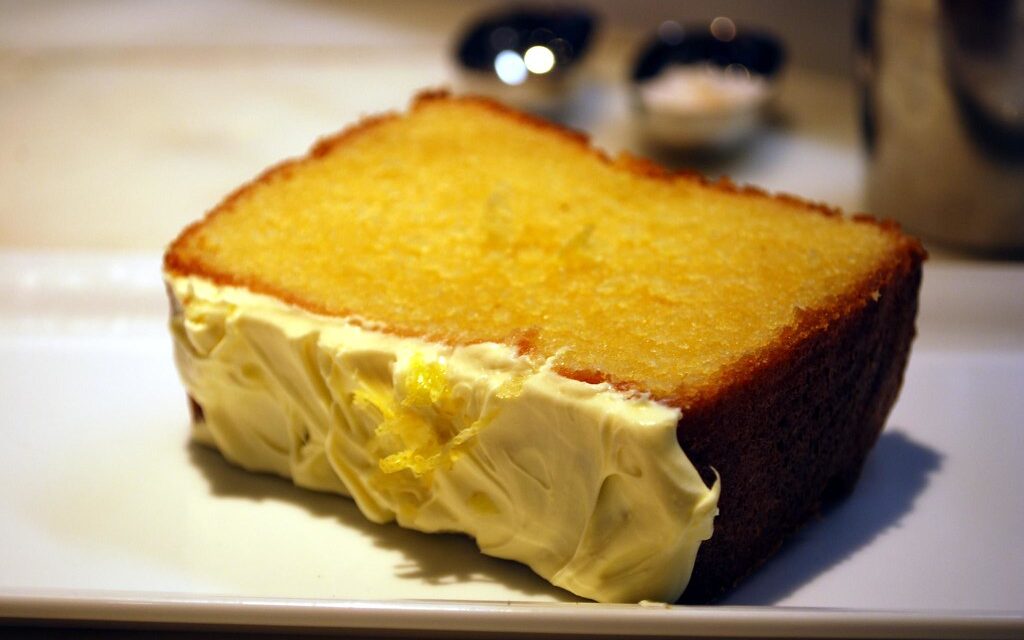
This lemon loaf uses oil rather than creamed butter, so the batter comes together with a whisk and a spatula. Plain yogurt gives it a tender crumb, while lemon zest carries most of the citrus flavour. Rub the zest into the sugar first to release its fragrant oils.
Measure the flour by weight and mix only until the dry streaks disappear. Too much flour or too much stirring can turn a soft loaf dense. Oven temperatures and tin shapes vary, so begin checking before the upper end of the baking time and use the centre of the loaf as your guide.
Lemon yogurt loaf
1 loaf; about 10 slices · 70 minutes total · Metric measurements
Ingredients
Tick ingredients as you go. Checkmarks are temporary and are not saved.
Method
- PrepareHeat the oven to 180°C / 350°F conventional, or 160°C fan. Lightly oil a 23 x 13 cm loaf tin and line it with baking paper, leaving an overhang on the long sides.
- Mix the dry ingredientsWhisk the flour, baking powder and salt in a bowl. In a separate large bowl, rub the lemon zest into the sugar with clean fingertips until fragrant.
- Mix the wet ingredientsAdd the eggs to the lemon sugar and whisk until combined. Whisk in the yogurt, oil, lemon juice and optional vanilla.
- FoldAdd the flour mixture and fold gently with a spatula just until no dry flour remains. Do not beat the batter smooth or taste it raw. Scrape into the tin and level the top.
- BakeBake for 40-50 minutes, checking from 40 minutes. A skewer inserted into the centre should come out clean or with a few dry crumbs, not wet batter. If the top browns before the middle sets, loosely cover with foil and continue baking.
- Cool and glazeCool in the tin for 15 minutes, then lift onto a rack and cool completely. For the optional glaze, mix the icing sugar with lemon juice a teaspoon at a time until just pourable. Drizzle over the cold loaf and let set before slicing.
Small details that help
- Use plain yogurt rather than sweetened or flavoured yogurt. Very thick strained yogurt can make a thicker batter.
- Zest only the coloured outer skin, not the bitter white layer underneath.
- Allow the loaf to cool fully before glazing or slicing for the neatest result.
Swaps and variations
Use orange zest and juice for a milder citrus loaf. Leave off the glaze for a less sweet finish. A gluten-free flour blend is not an automatic one-for-one guarantee here; it needs a separately checked version.
What to serve with it
Slice with a serrated knife and serve with tea or coffee. Fresh berries work well alongside it, but add them at serving time rather than storing them on top of the cake.
Storage and reheating
Once completely cool, keep covered in a cool room for up to 2 days, or refrigerate in a warm environment and use within 4 days. Freeze individual unglazed slices, well wrapped, for up to 2 months for best quality.
Food-safety reference: safe cooking and reheating temperatures. Refrigerate perishable food within 2 hours, or 1 hour above 32°C / 90°F. Keep the refrigerator at 4°C / 40°F or below.
Common questions
Why did the middle sink?
Possible causes include underbaking, too much raising agent or opening the oven before the centre has set. Weigh ingredients and check the centre before removing the loaf.
Can I use a smaller tin?
A smaller tin changes the batter depth and baking time and may overflow. Use the stated tin size for this version.
Found something unclear? Send a recipe correction, including the recipe name and what happened.